Pixelated Warfare: Gameplay Mechanics and Market Positioning
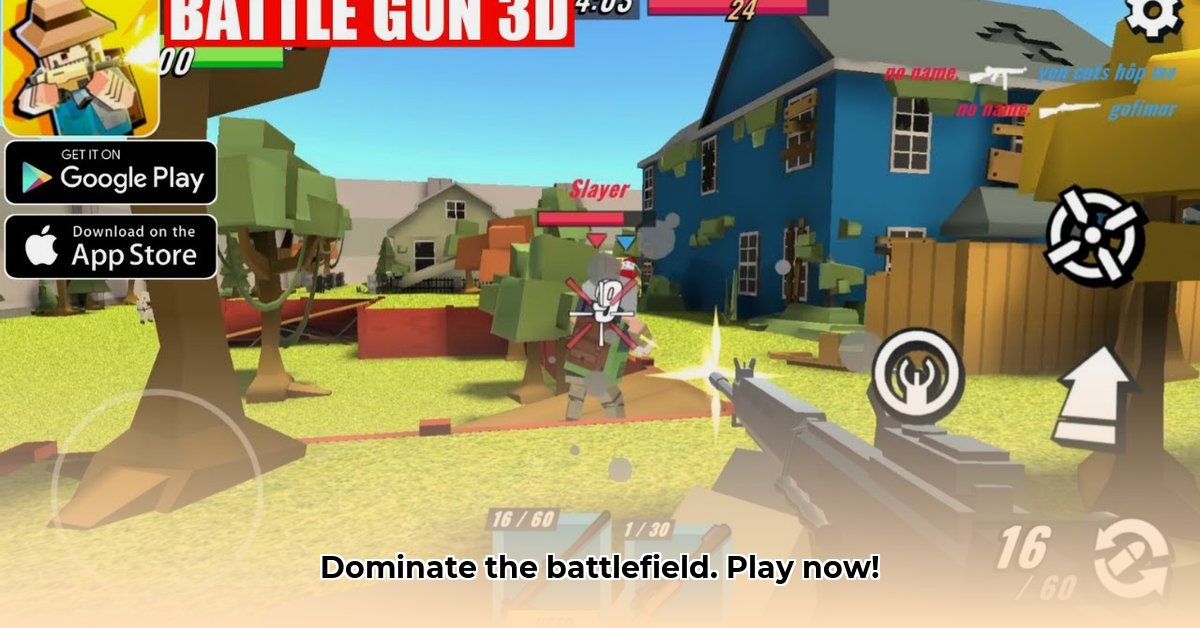
Battle Gun 3D utilizes a charming pixel art style, offering a visually accessible experience for casual players and a low barrier to entry for the FPS genre. The simplified controls, featuring automatic firing, cater to a broader audience compared to competitors with more complex control schemes. However, this simplification may limit appeal to hardcore FPS players seeking sophisticated strategic depth and nuanced control. The core gameplay revolves around team deathmatch, a familiar format within the genre. While the game promises diverse weapons and an upgrade system, specifics regarding weapon balance, time-to-kill (TTK), and map design remain undisclosed, hindering a comprehensive assessment of its competitive edge. Crucially, the lack of detail on unique weapon types or map features prevents a robust analysis of its differentiating factors. Further information is needed to fully understand the competitive viability of its gameplay loop. What are the key differentiators in terms of map design and weapon functionality compared to market leaders?
Monetization Strategies: A Freemium Approach
Battle Gun 3D adopts a freemium model, offering free gameplay with optional in-app purchases (IAPs) for accelerated progress or cosmetic items. A multi-currency system (coins, gems, crowns) fuels upgrades and purchases. Success hinges on balancing the free-to-play experience to retain players while offering compelling paid options. Aggressive monetization could alienate free players, impacting retention rates. Conversely, a lack of lucrative IAPs could stifle revenue generation. Detailed information on specific IAPs (pricing, offerings) and the proportion of revenue derived from various monetization avenues (ads, IAPs) is crucial for a complete analysis. Does the game leverage loot boxes or a battle pass system? Understanding these mechanics would significantly enhance our analysis of its financial viability. How does the game's monetization strategy compare to industry best practices and competitors?
Competitive Landscape: Benchmarking Against Rivals
Battle Gun 3D operates within a competitive mobile FPS market. Direct comparison with key rivals reveals critical strengths and weaknesses. This requires in-depth analysis of three main competitors and their respective approaches:
- Pixel Gun 3D: Boasts a large player base and extensive content; however, the learning curve could be steeper compared to Battle Gun 3D, focusing on more intense gameplay. The visual style offers a similar pixel aesthetic, though the detail and overall art style may differ noticeably. (Screenshots for visual comparison would be beneficial here).
- Modern Combat 5: Distinguishes itself through high-quality graphics and realistic gameplay, targeting a more sophisticated player base. Superior realism may come at the cost of accessibility, demanding higher hardware specifications. (Visual comparison with Battle Gun 3D's pixel art is warranted).
- Critical Ops: Emphasizes fast-paced action and a strong competitive scene, potentially attracting a more hardcore audience. The faster pace would again emphasize gameplay distinctions compared to Battle Gun 3D's likely more casual player base.
A comparative analysis of monetization strategies (types of IAPs, battle pass implementation, ad frequency) across these titles provides a valuable benchmark for Battle Gun 3D's performance and potential areas for improvement. What specific areas of monetization, gameplay, or player targeting show the most significant differences among these titles?
Target Audience: Identifying the Player Base
Battle Gun 3D likely targets casual gamers, due to simplified controls and straightforward gameplay. The pixel art aesthetic broadens its appeal. However, the game might also attract a subset of serious mobile FPS players who favor a less demanding, yet enjoyable experience. Detailed demographic data (age, location, spending habits) is needed to create a precise target audience profile. This granular understanding informs marketing strategies, content updates, and monetization adjustments, influencing player retention and satisfaction. What specific data points are needed to optimize targeting strategies?
Future Outlook and Key Considerations
Battle Gun 3D's long-term success depends on several critical factors. Maintaining balanced gameplay, fair monetization, and a keen awareness of the competitive landscape are paramount. Actively soliciting and incorporating player feedback is crucial for continuous improvement. Regular content updates, balancing gameplay, and strategic marketing decisions informed by player data will be essential for sustaining a competitive edge. Further research into player retention rates and engagement metrics will provide invaluable insights into its ultimate trajectory. What specific user feedback mechanisms are being used, and how effectively are they being applied towards strategic decision making?
⭐⭐⭐⭐☆ (4.8)
Download via Link 1
Download via Link 2
Last updated: Sunday, May 11, 2025